

Clinical Interests
Mr Wadley is one of the most senior and experienced neurosurgeons in the United Kingdom, with nearly 25 years experience as a consultant neurosurgeon. He has a number of areas of expertise and special interest within brain and spine surgery, but his private practice at Springfield Hospital is wholly dedicated to spinal problems. He performs a large volume of spinal surgery, both privately and on the NHS, every year, and has a huge experience of routine spinal surgical procedures as well as more complex cases. He has had both national and international commitments in teaching and training, and continues to tutor and train up-and-coming neurosurgical trainees.
The neurosurgical tradition of spinal surgery stresses the importance of:
- Minimally invasive surgical including ‘keyhole’ approaches with small incisions.
- Very delicate surgical technique utilising micro-instruments and a respect for delicate patient anatomy and a minimisation of tissue handling.
- The constant use of a sophisticated operating microscope, to enable minimally invasive approaches and maximise good outcomes, and associated with extremely low rates of complications. The Springfield Spinal Unit utilises a specialist Zeiss neurosurgical microscope.
- An emphasis on micro-neurosurgical skills and minimally invasive surgical equipment, including the Midas Rex high-speed drill and micro-instruments.
- Avoidance of overtly traumatic and non-evidenced-based procedures, such as ‘fusion’ or instrumentation with metallic screws, particularly to try to treat musculoskeletal lower back pain. These procedures are ineffective and largely outlawed by the NHS and medical insurance companies.
- All of this leads to a high rate of excellent outcomes, usually only with an overnight stay in hospital, and a rapid and supervised return to normal levels of activity during the period of recovery and recuperation.
The majority of neurosurgical procedures performed at the Springfield Spinal Unit are for various manifestations of degenerative disease of the spine, known as spondylosis. This principally affects the neck (cervical spine) and the lower back (lumbosacral spine) and most operations aim to relieve nerve root or spinal cord compression causing neurological symptoms. Upon occasion more rare pathologies such as spinal tumours, vascular malformations, or congenital anomalies such as Chiari malformations may be encountered, but in more complex cases, the neurosurgeons may well arrange these operations in their respective Regional Neuroscience Units.
Mr Wadley and his consultant neurosurgeon colleagues in the Springfield Spinal Unit have steadily grown the practice to its present level of activity and very high reputation, and indeed an NHS England ‘GIRFT’ (‘Getting It Right First Time’) detailed unit inspection in 2018 of the neurosurgical spinal practice resulted in the highest possible assessments in most categories. A further NHS England/ GIRFT review in 2025 cemented this reputation with the unit being declared outstanding in all categories.
Mr Wadley’s extensive practice is complemented by up-to-date sophisticated imaging with MRI and CT scanning at Springfield, as well as state-of-the-art and sophisticated equipment in the operating theatres such as the Zeiss operating microscope and specialist instruments.
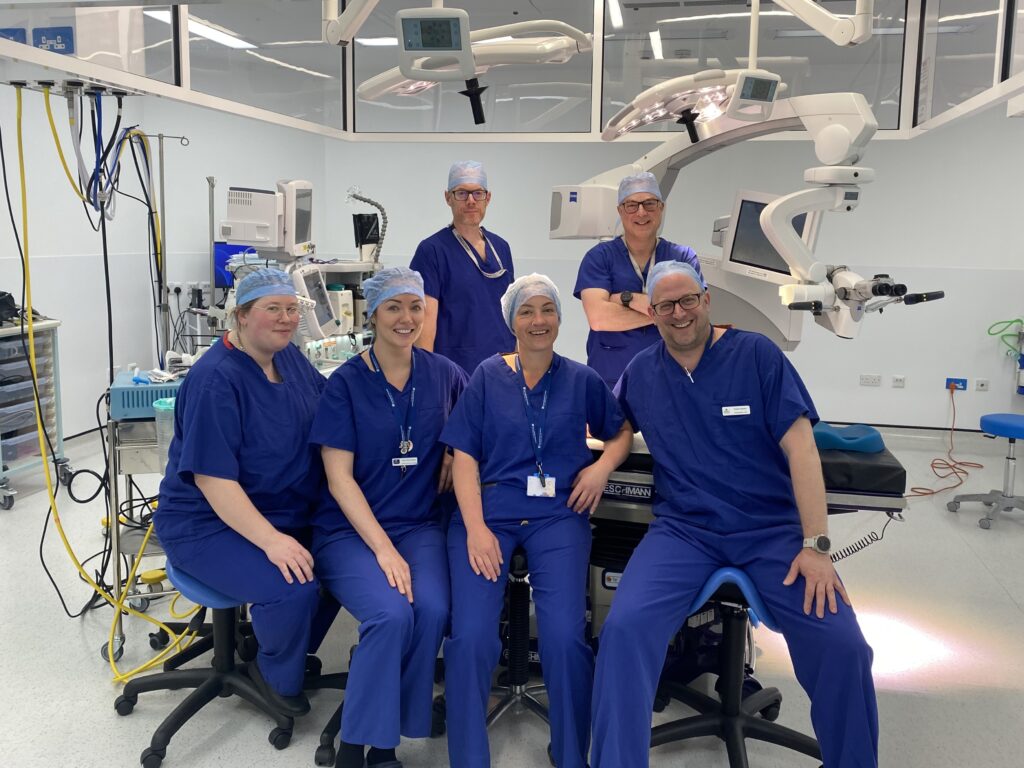
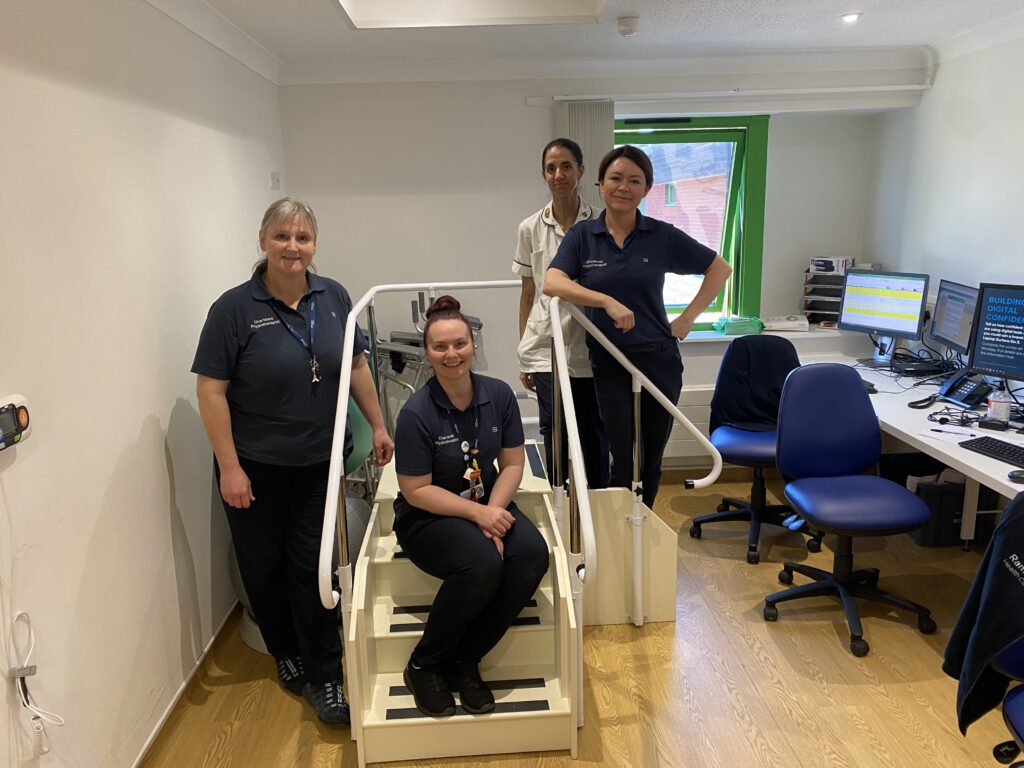
Over the last 12 years or so Mr Wadley and the Springfield Spinal Unit have also built up a highly experienced team of spinal specialist theatre staff, excellent and experienced nurses, and an expert team of spinal physiotherapists for postoperative therapies and rehabilitation.
Neurosurgical spinal practice also involves close interaction with consultant colleagues in other disciplines, in particular Neuroradiologists to report imaging modalities, and specialist Pain Management Consultants, part of the holistic approach to spinal pathologies by Mr Wadley at the Springfield Spinal Unit.
Pain Management Consultants deal with other aspects of spinal problems not responsive to neurosurgery, in particular musculoskeletal low back pain, and this holistic approach may include combinations of various medication, therapies, and sometimes interventions in the form of various types of spinal injection treatments. Mr Wadley’s partner in this respect is Dr Victor Mendis, a highly experienced and respected Pain Management consultant.
Mr Wadley also very fortunate to enjoy the constant help of his highly experienced personal assistant Jane Killeen, who guides his patients through every stage of treatment including initial appointments, scheduling of surgery and interaction with patient’s insurance companies, arrangements for post-operative review by the consultant neurosurgeon, and allied therapies if these are required.
Mr Wadley welcomes private referrals from a wide geographical area, and is recognised by all the major insurance companies, and also is very happy to see patients who wish to self-pay for their care, an increasingly common situation.
Mr Wadley’s private PA Jane would be delighted to discuss such arrangements with prospective private patients.