Conditions Treated

CERVICAL SPINE

Disorders of the cervical spine including trauma, degenerative disease, rheumatoid disease and tumours. Surgery includes both anterior approaches, including instrumented fusion, artificial cervical disc implantation, and stability-preserving posterior approaches including microforaminotomy, open-door laminoplasty and lateral mass instrumentation.

Typical symptoms with which patients present with these problems include neck pain and instability, radiating arm pain with sensory disturbances in the arm and hands (brachalgia) and spinal cord compression leading to progressive weakness and paralysis (cervical myelopathy). Being a neurosurgeon at The Royal London Hospital, Britain and Europe’s largest and leading Major Trauma Centre (MTC), Mr Wadley also has extensive experience of cervical spine injuries.

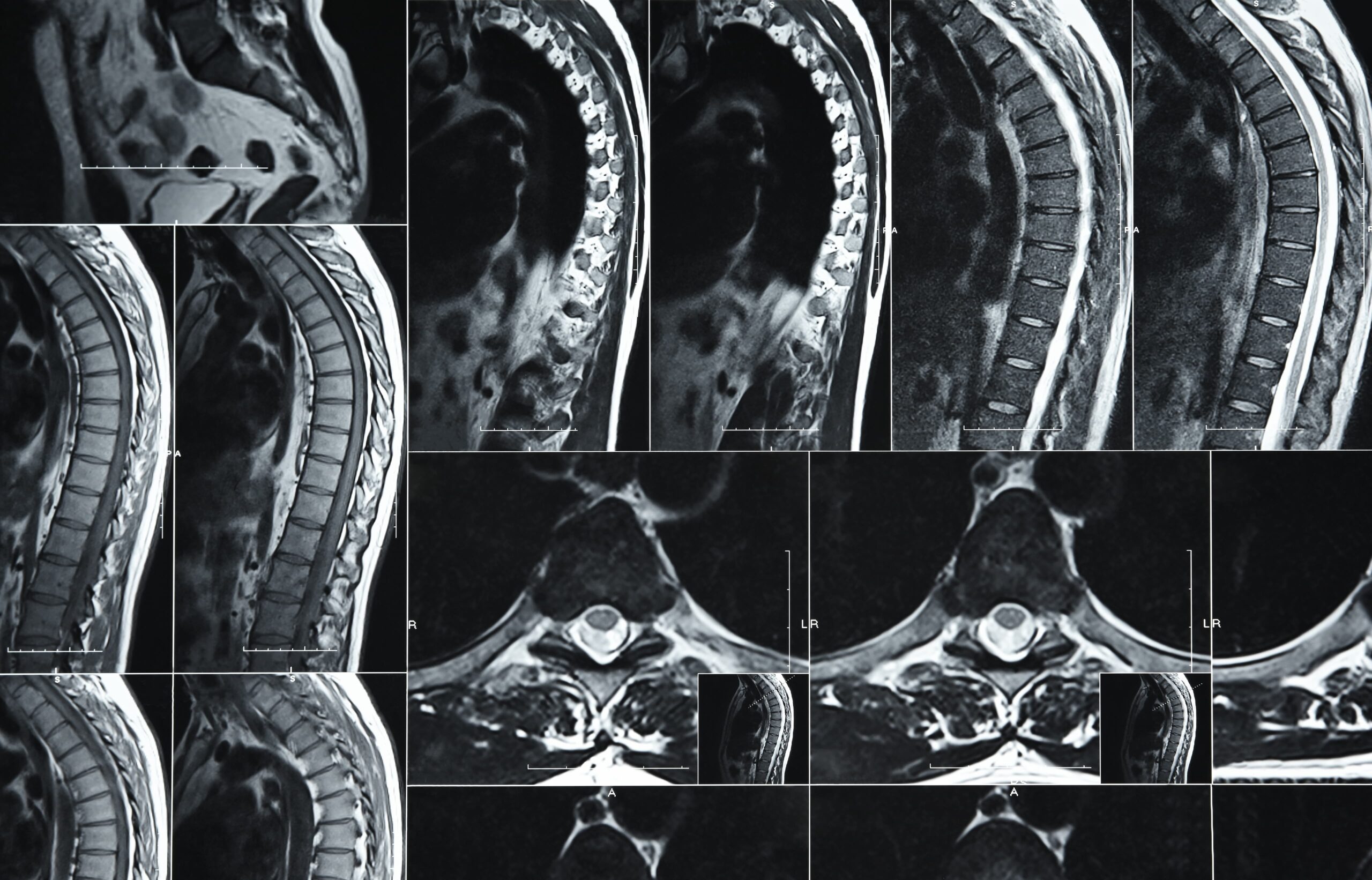
Cervical Spine MRI Image
Thoracic Spine MRI Image

Thoracic Spine

Disorders of the middle section of the spine, known as the thoracic spine, are far less common than conditions affecting the cervical spine (neck) and lumbosacral spine (lower back). 

Nevertheless, degenerative disease sometimes requires surgery in this area, with symptoms including pain, sensory disturbance, and progressive paralysis (myelopathy), and more rare lesions include blood vessel abnormalities (spinal AVMs or arterial fistulas), spinal cord hernias, and benign tumours causing spinal cord compression.

Lumbosacral spine

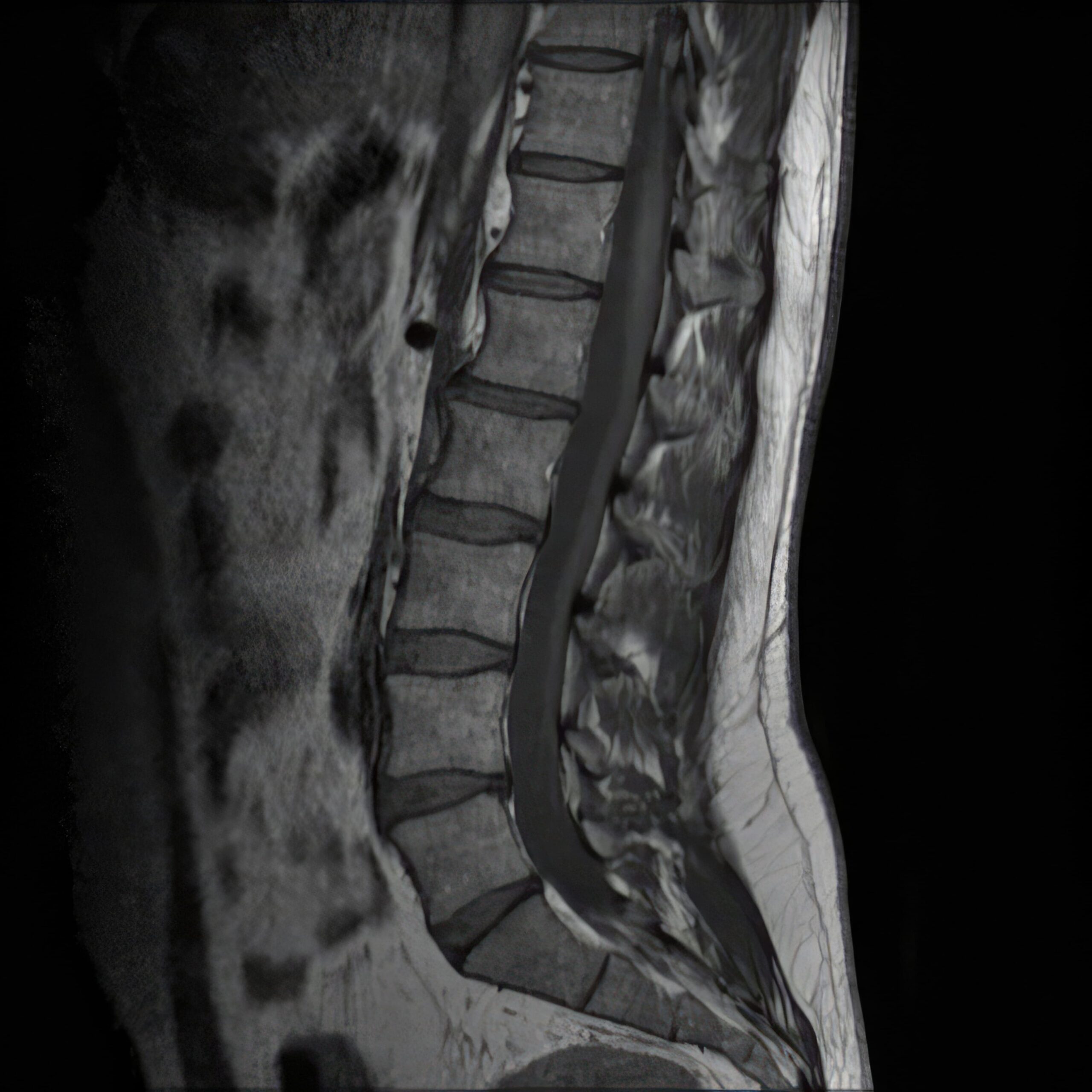
Degenerative disease (spondylosis) in the lower back is an extremely common problem, often contributing to musculoskeletal/mechanical low back pain, pain with sensory symptoms radiating into one or both legs (sciatica) or pain, sensory disturbance, and weakness coming on in one or both legs during exercise, walking and prolonged standing (neurogenic claudication).

Such symptoms are usually caused by nerve root compression resulting from a disc prolapse in the lumbosacral spine (‘slipped disc’), a degenerative facet joint cyst, or degenerative narrowing of the spinal canal or lateral recesses (spinal stenosis).

Neurosurgical procedures include delicate keyhole microsurgical procedures such as microdiscectomy and microforaminotomy, and sometimes more extensive operations such as decompressive laminectomy. Instrumentation (metalwork) is almost never required, and in line with most specialist neurosurgeons, Mr Wadley does not advocate non-evidenced-based and potentially hazardous procedures such as ‘fusion’ of the spine for lower back pain.

Lumbar Spine MRI Image
Mr JOHN P. WADLEY MB ChB MS FRCS FRCS(SN) Consultant Neurosurgeon

Peripheral Nerve Procedures

Mr Wadley has extensive experience with routine peripheral nerve surgery, particularly carpal tunnel decompression in the hand and ulnar nerve decompression at the elbow. These operations are performed as a day case, and often under local anaesthetic.

Chiari Malformations

Chiari malformations are congenital anomalies at the base of the brain/spinal cord, commonly causing headaches and other symptoms such as sensory disturbance in the limbs, disturbance to walking, and dizziness. This is a specialist area of neurosurgery and one in which Mr Wadley has many years of experience.

Other areas of specialisation

Mr Wadley’s other areas of interest and expertise, in his NHS practice, include:

  • Gamma Knife Stereotactic Radiosurgery.
  • Neurovascular Surgery.
  • Cranial Nerve Compression Syndromes (including trigeminal neuralgia and hemifacial spasm, for which he runs a Supra-Regional Clinic at the Royal London Hospital).